Project name:

Ironclad

Scope of work:

Web Design, Webflow Development

The goal:

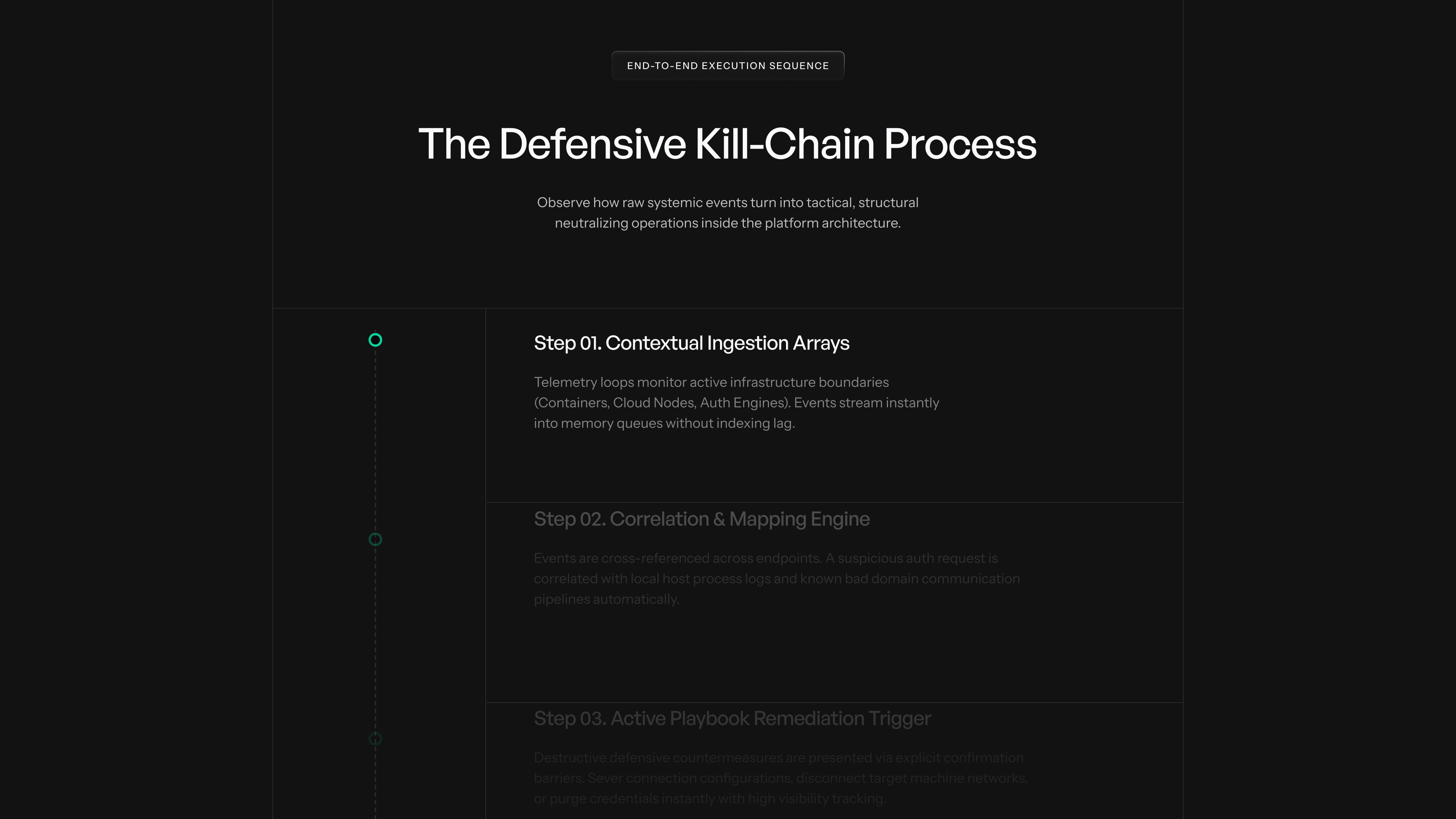
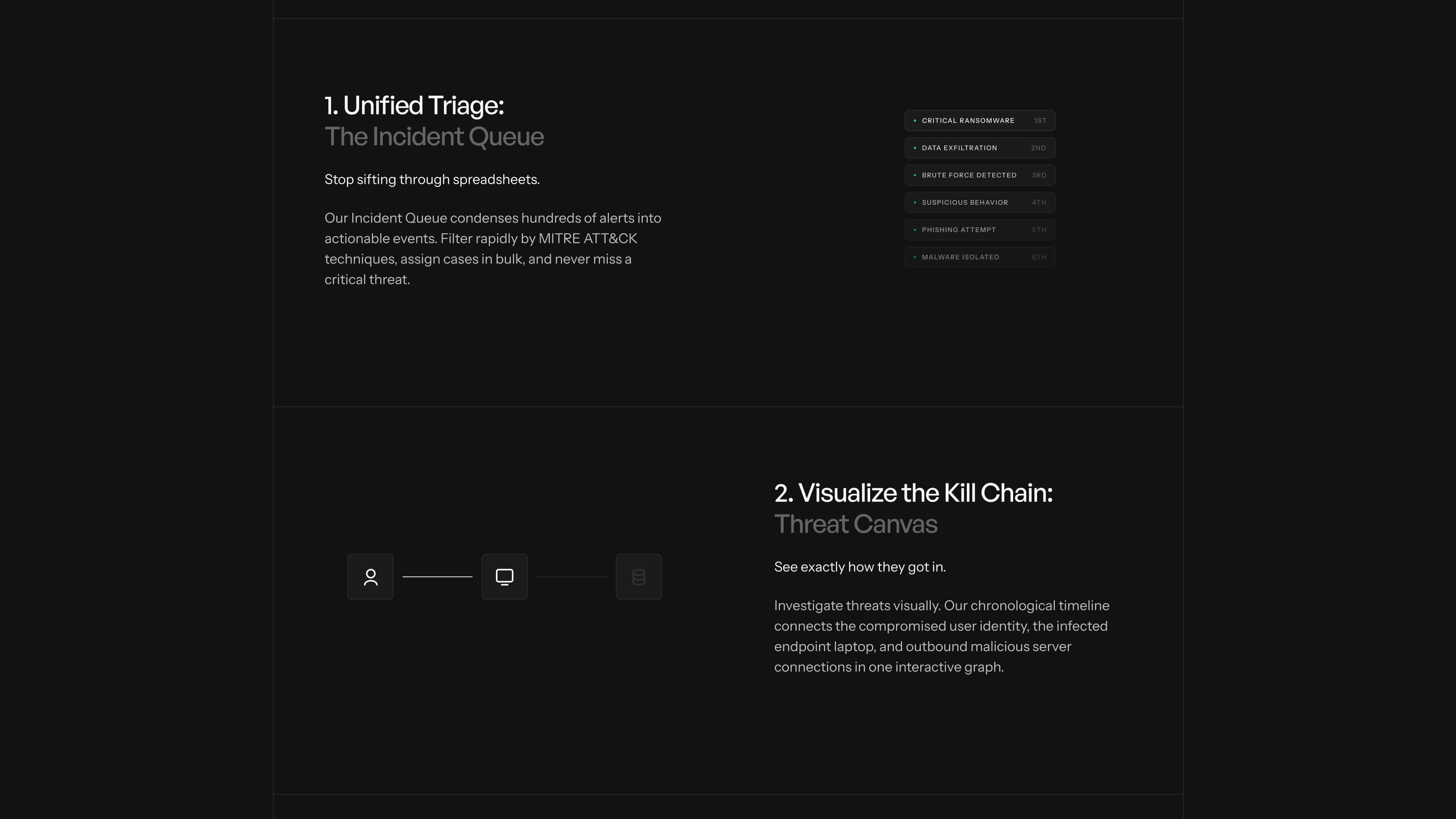
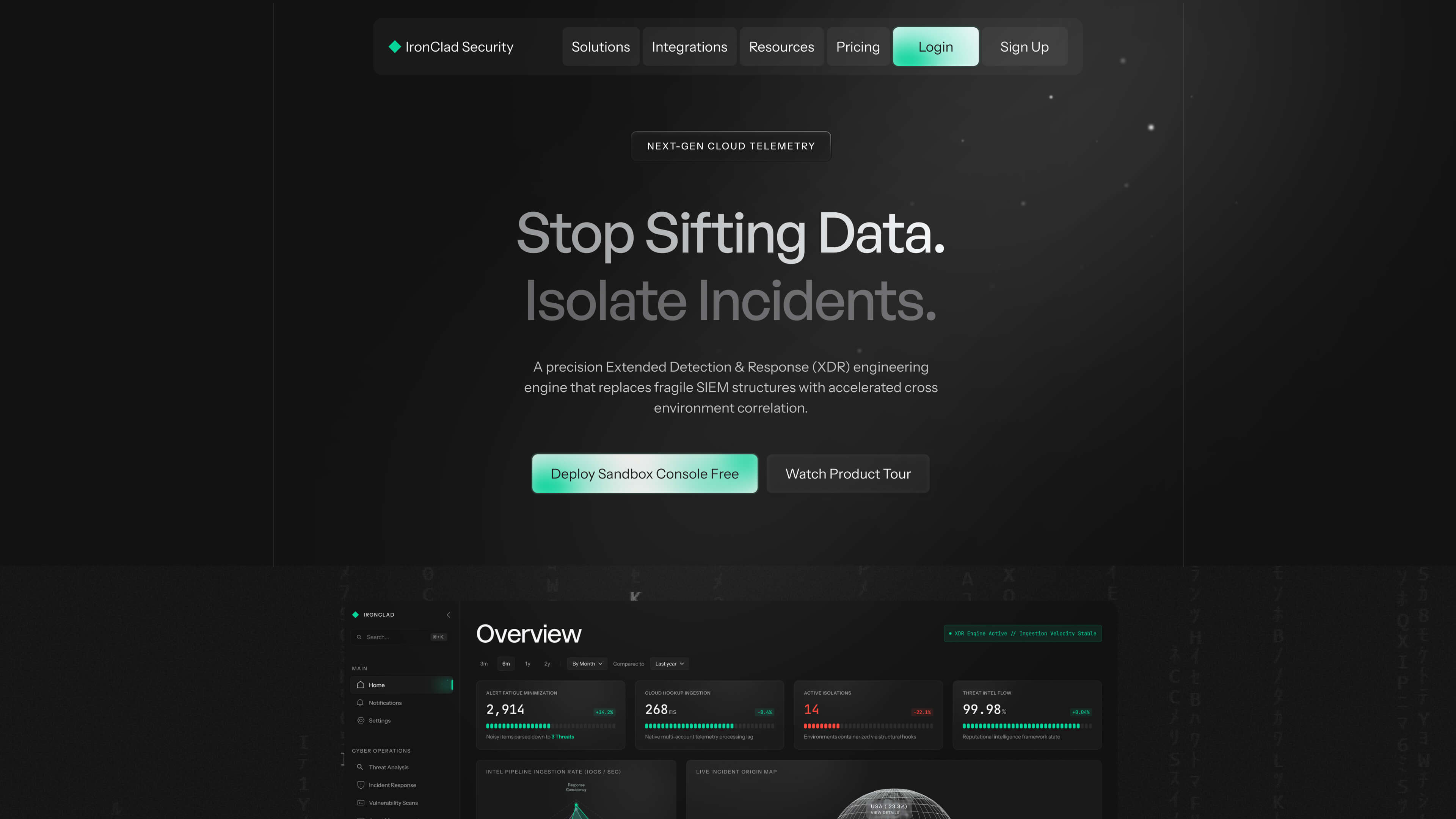
I wanted to create a product-first experience that clearly explains what the platform does, how it works, and why users should trust it.

Wireframes & Copywriting

The website needed to answer three questions as quickly as possible:

- What does Ironclad do?
- How does the product work?
- Why should users trust it?

Rather than committing to a single direction immediately, I used AI as a creative partner to generate three completely different homepage wireframes. Each version explored a different narrative. Not just different layouts. Different ways of explaining the product itself.

This allowed me to step back and evaluate the product from multiple perspectives before making design decisions.

Visual Direction

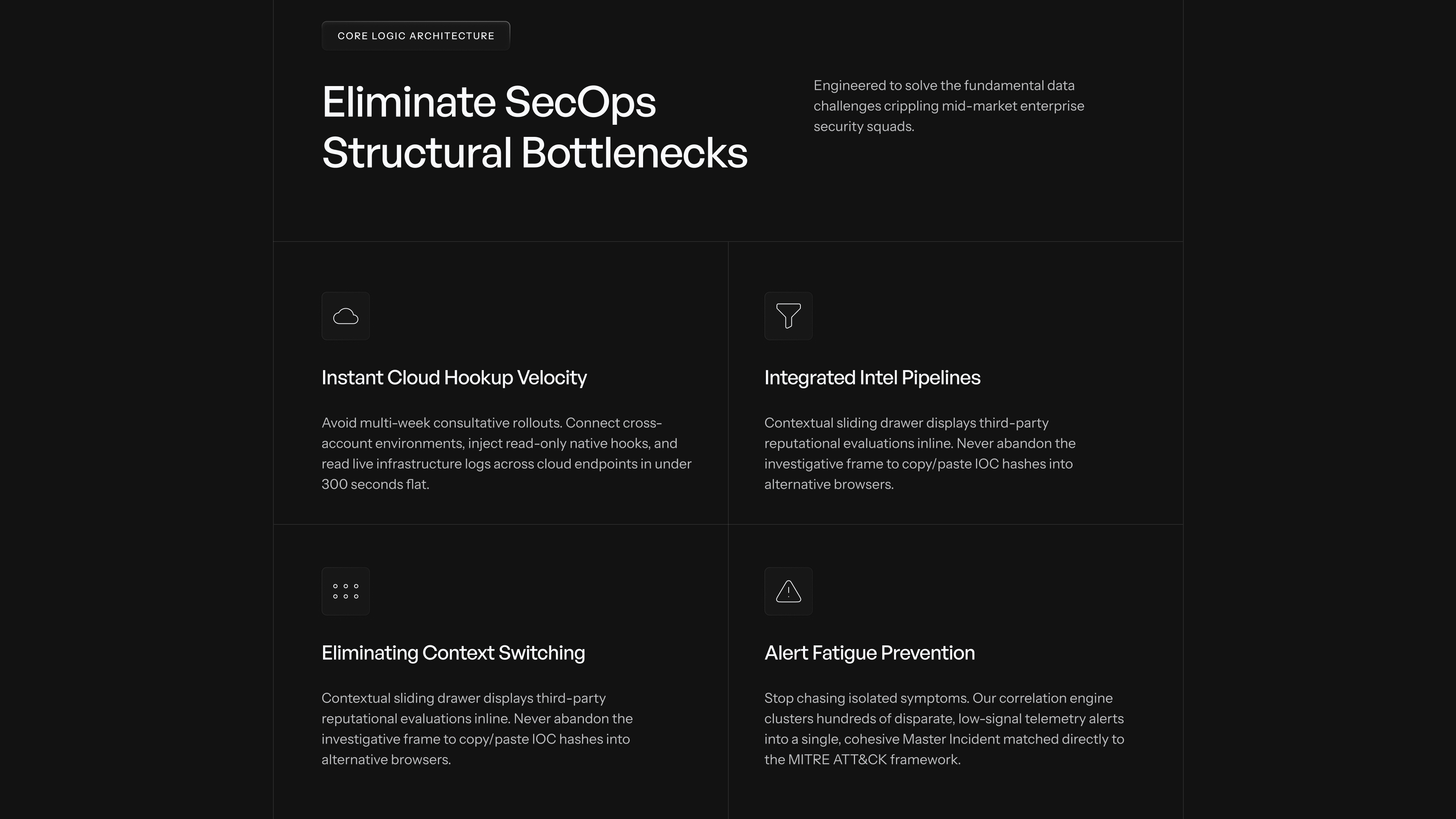
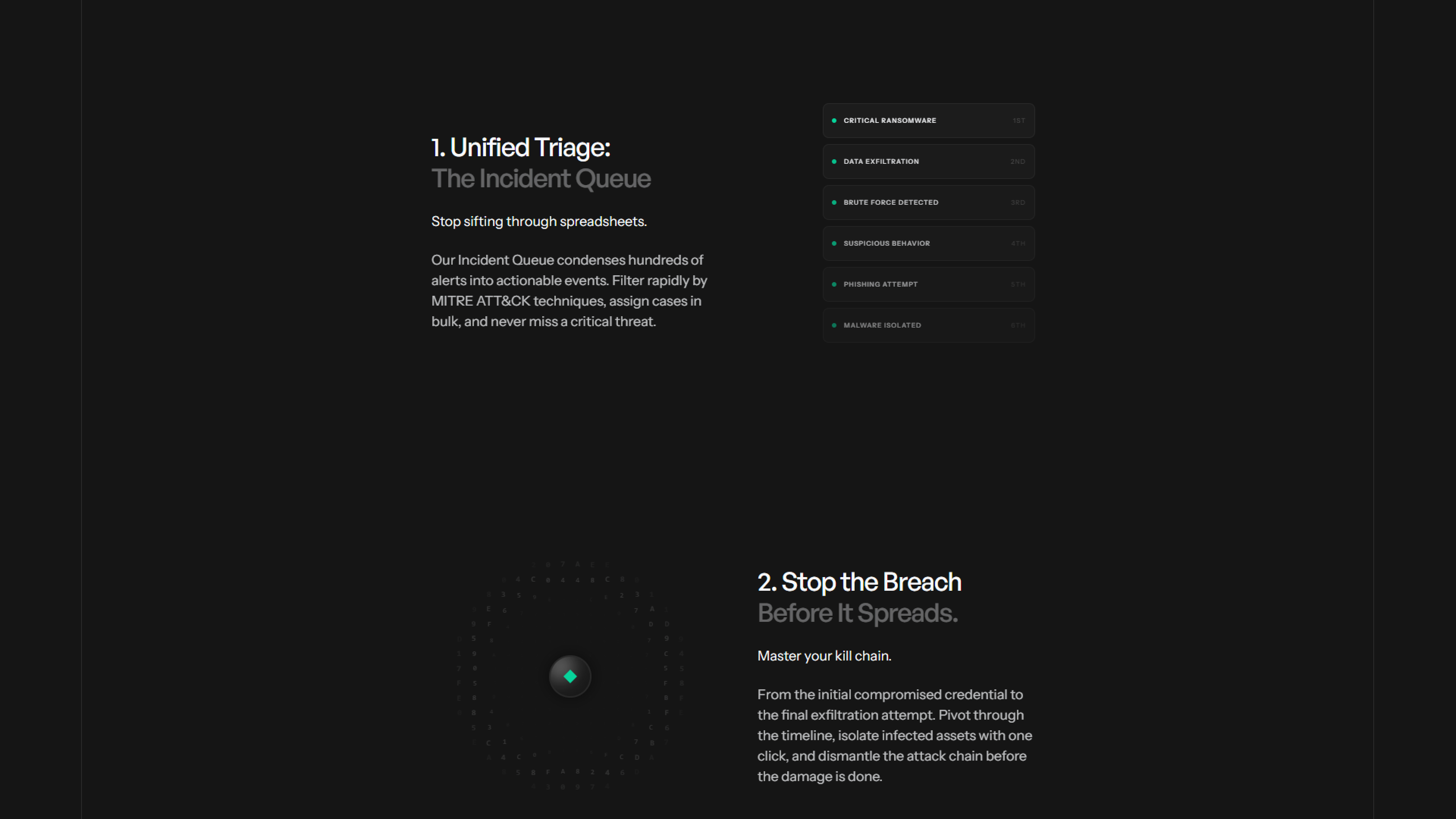
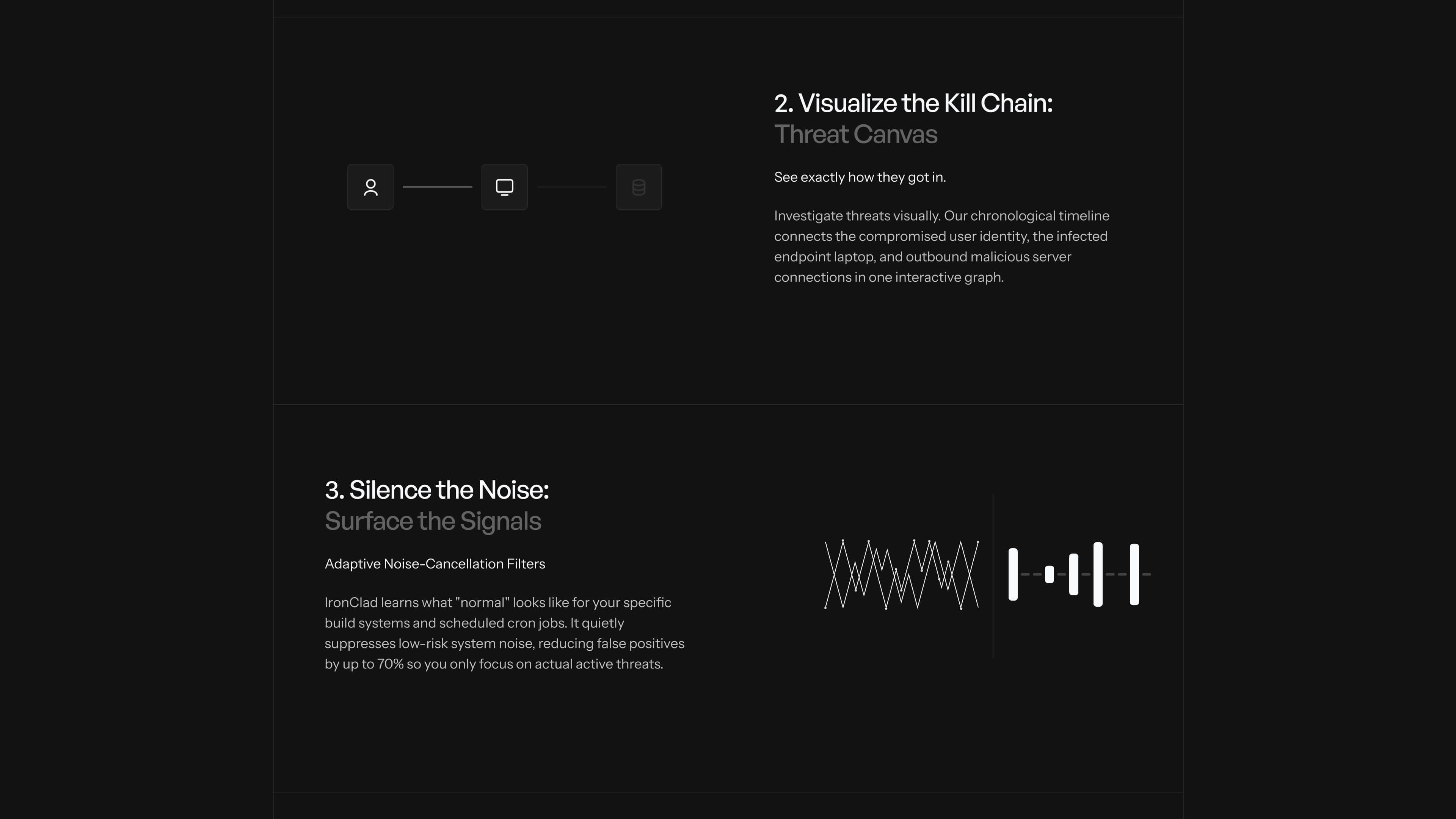
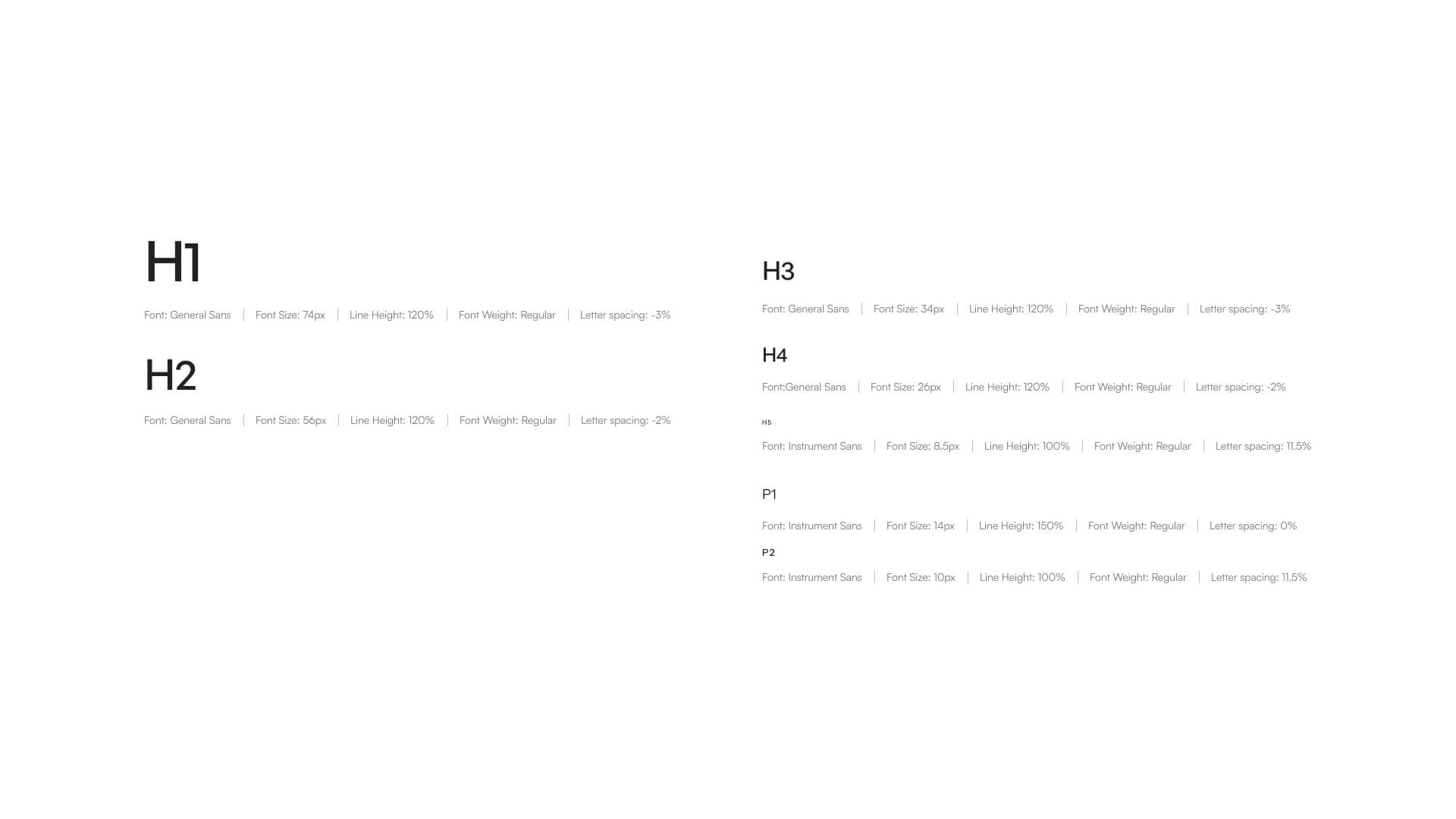
Clean layouts, generous spacing, and strong typography helped simplify dense information while preserving the product's technical credibility. Every component was designed with one principle in mind:

Reduce cognitive load.

Because when users can quickly understand the product, they naturally build trust in it.

Micro Interactions

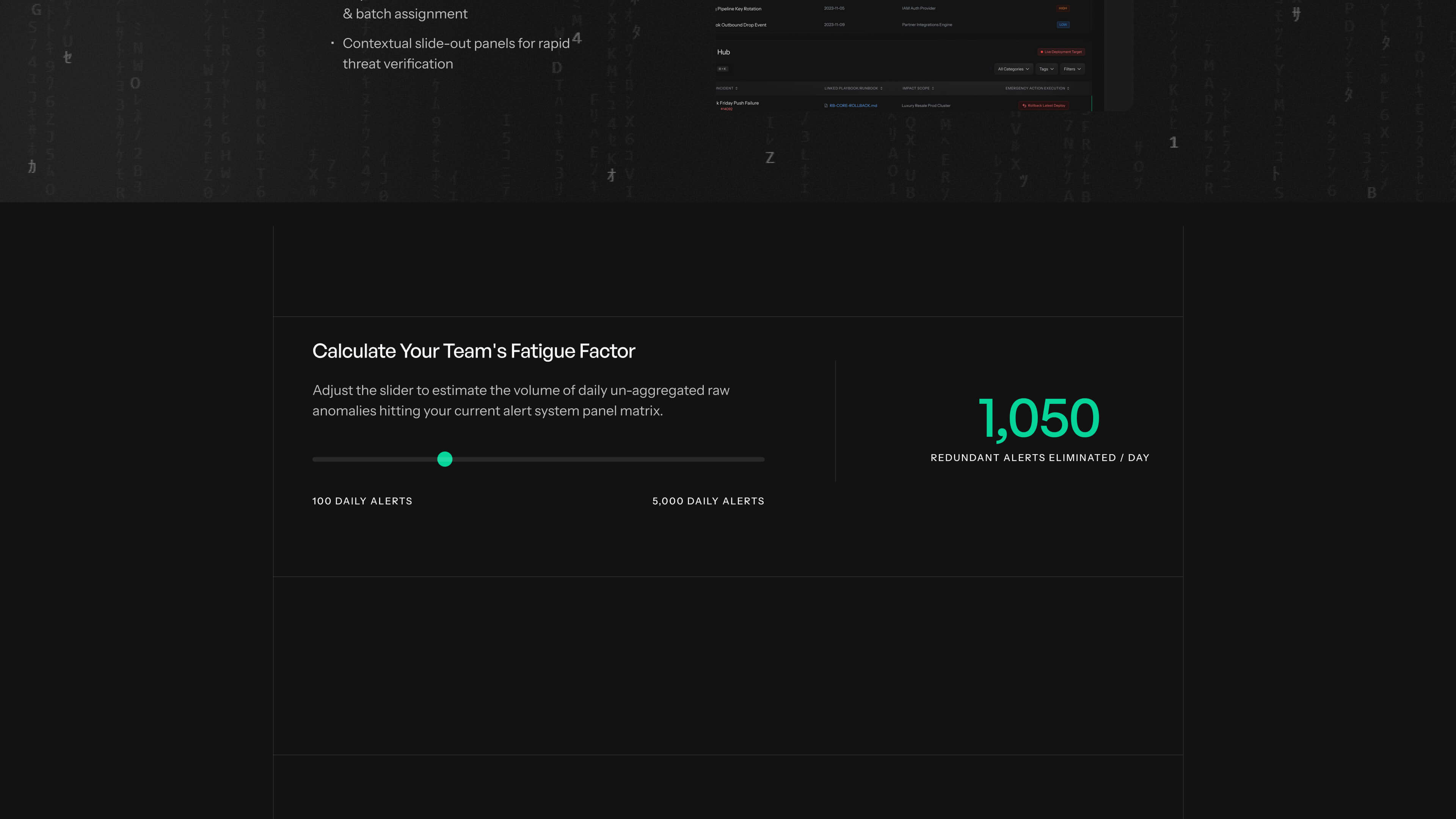
One thing I wanted to avoid was making the website feel static. Cybersecurity platforms are constantly monitoring, analyzing, and responding to events in real time. A motionless interface can unintentionally communicate the opposite.

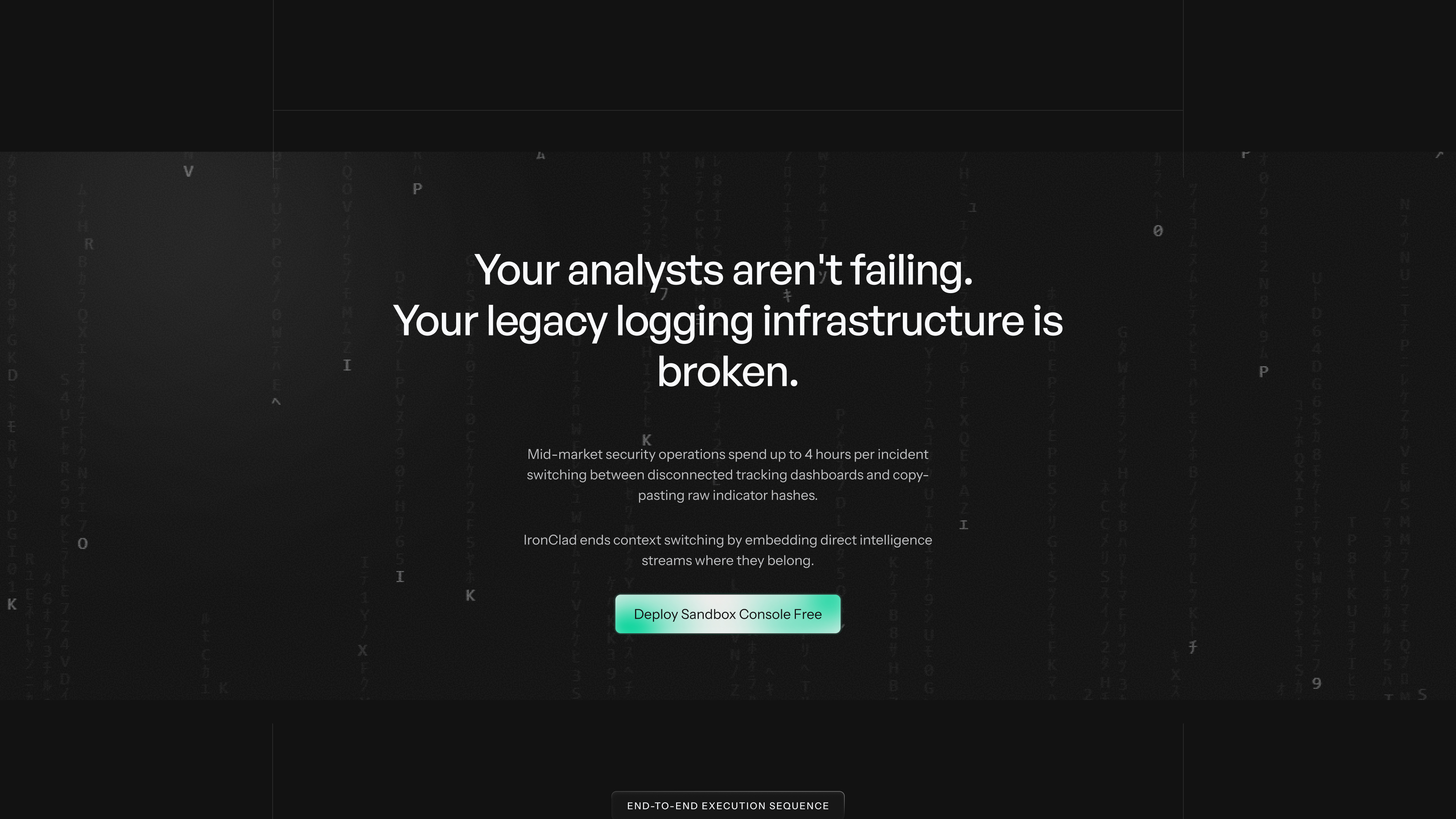
To reinforce the feeling of an active system, I experimented with AI-assisted interaction design. Using a small AI-powered tool, I created a Matrix-inspired effect that introduces subtle movement across the interface.

Webflow Development

Once the designs were finalized, the challenge shifted from visuals to implementation. Every section was structured to support future product updates without disrupting the overall experience.

The objective was to create a foundation that could evolve alongside the company as new capabilities, pages, and content are introduced. A big part of the build was maintaining consistency across the entire experience. Spacing, typography, and classes were carefully standardized to ensure the website feels cohesive regardless of how much content gets added over time. The final result isn't just a collection of pages. It's a flexible system that's built to grow alongside the product itself.
Project name:

Ironclad

Scope of work:

Web Design, Webflow Development

The goal:

I wanted to create a product-first experience that clearly explains what the platform does, how it works, and why users should trust it.

Wireframes & Copywriting

The website needed to answer three questions as quickly as possible:

- What does Ironclad do?
- How does the product work?
- Why should users trust it?

Rather than committing to a single direction immediately, I used AI as a creative partner to generate three completely different homepage wireframes. Each version explored a different narrative. Not just different layouts. Different ways of explaining the product itself.

This allowed me to step back and evaluate the product from multiple perspectives before making design decisions.

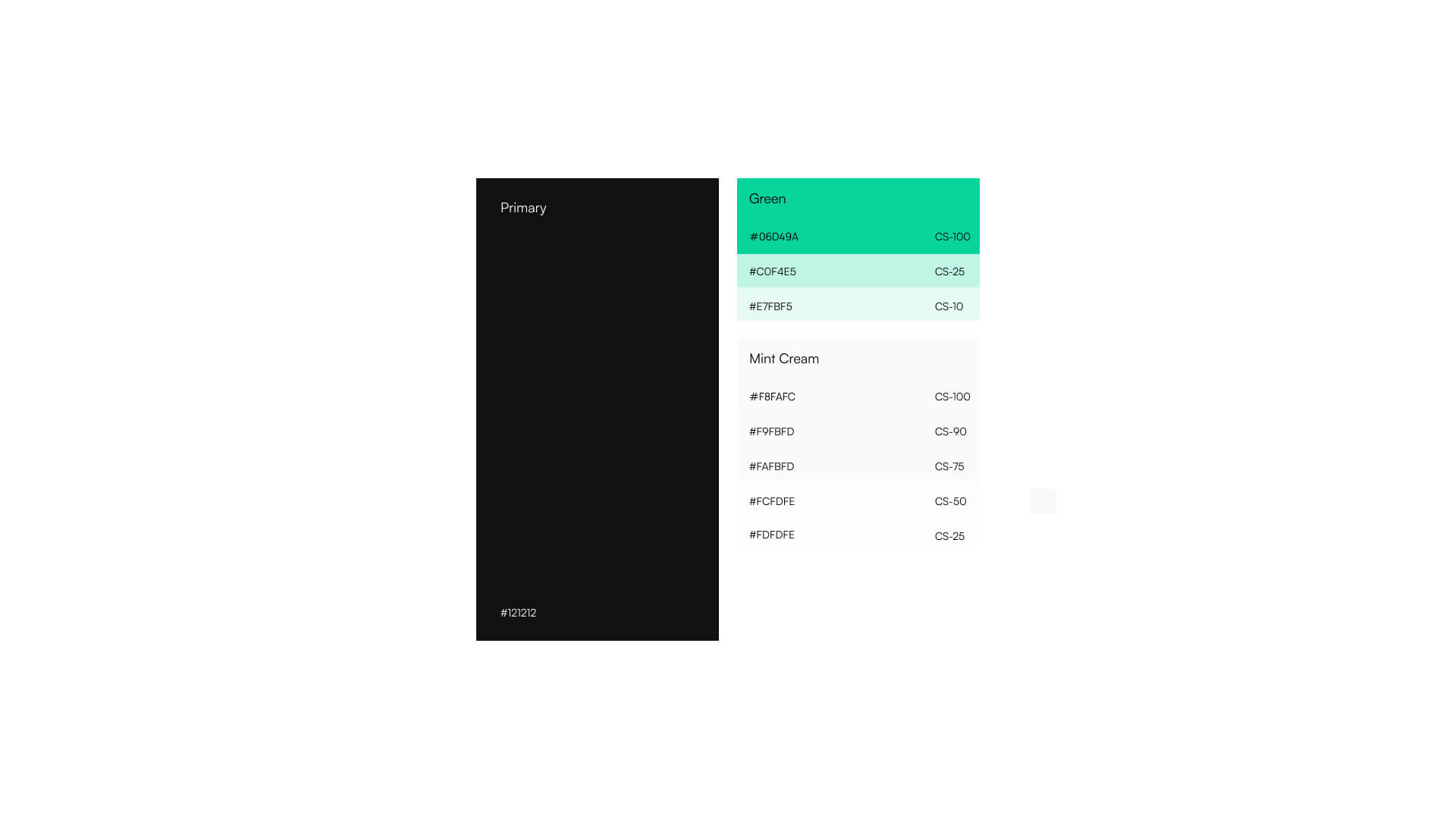
Visual Direction

Clean layouts, generous spacing, and strong typography helped simplify dense information while preserving the product's technical credibility. Every component was designed with one principle in mind:

Reduce cognitive load.

Because when users can quickly understand the product, they naturally build trust in it.

Micro Interactions

One thing I wanted to avoid was making the website feel static. Cybersecurity platforms are constantly monitoring, analyzing, and responding to events in real time. A motionless interface can unintentionally communicate the opposite.

To reinforce the feeling of an active system, I experimented with AI-assisted interaction design. Using a small AI-powered tool, I created a Matrix-inspired effect that introduces subtle movement across the interface.

Webflow Development

Once the designs were finalized, the challenge shifted from visuals to implementation. Every section was structured to support future product updates without disrupting the overall experience. The objective was to create a foundation that could evolve alongside the company as new capabilities, pages, and content are introduced.A big part of the build was maintaining consistency across the entire experience .Spacing, typography, and component behavior were carefully standardized to ensure the website feels cohesive regardless of how much content gets added over time. The final result isn't just a collection of pages. It's a flexible system that's built to grow alongside the product itself.
Live website
Next case study